A dolphin-shaped robot removes hazardous oil spills using a filtration system that is 95% effective
March 10, 2026, 2:36 p.m.
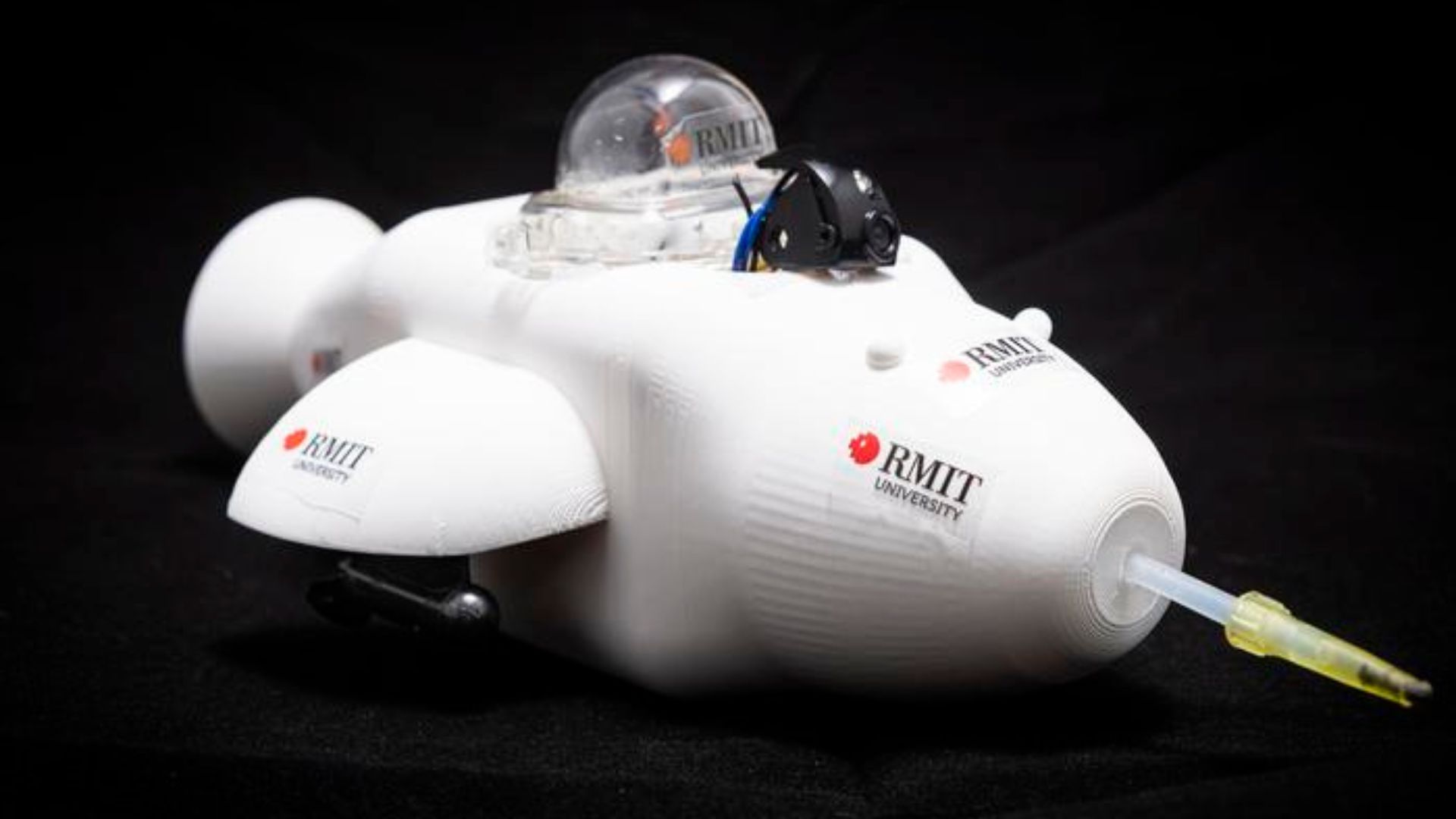
Engineers at Australia’s RMIT University have created a small dolphin-shaped robot capable of cleaning oil spills from the water. The device, named Electronic Dolphin, is designed to collect oil from the water’s surface, which could make responding to environmental disasters faster and safer.
Oil spills remain a serious problem for the world’s oceans: they destroy marine ecosystems, harm birds and animals, and cause enormous economic damage. Traditional cleanup methods often require hazardous chemicals or human involvement in risky conditions. The new robot is designed to help solve this problem.
The mini-robot is about the size of a sneaker and is remotely controlled. It is equipped with a special filter that repels water but quickly absorbs oil. Thanks to this, the device can “collect” the oil slick from the water’s surface, effectively separating it from the water.
The filter is modeled after sea urchins. Its surface has microscopic “spines” that trap small pockets of air. Because of this, water simply rolls off the material, while oil sticks and flows into the collection system. The material is also manufactured in an eco-friendly way without harsh chemicals.
At the front of the robot is a nozzle and a small pump. They suck the oil mixture into the filter, after which the oil enters an internal storage chamber, and the water is discharged back into the sea. During testing, the robot collected approximately 2 ml of oil per minute with a purity of over 95%, meaning almost no water contamination.
The current prototype operates for about 15 minutes on a single battery charge, but researchers plan to create larger and more autonomous versions. In the future, such robots could return to base on their own, unload the collected oil, recharge, and head out again to clean the water.
Scientists believe that a network of such robots could quickly respond to oil spills in hard-to-reach or dangerous areas, reducing environmental damage and risks to people.
March 10, 2026, 2:36 p.m.