A prototype artificial leaf has been created.
Aug. 11, 2022, 3:30 p.m.
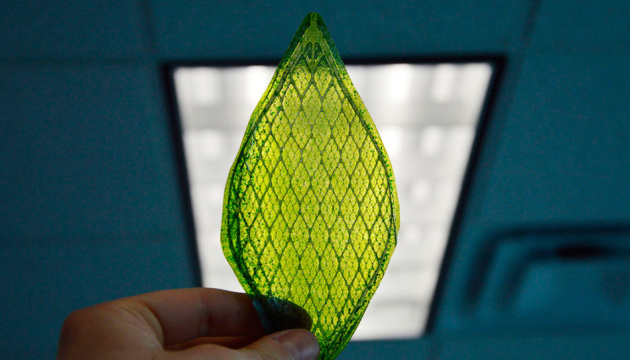
The artificial leaf is a silicon-based solar cell with different catalytic materials attached to both sides. When immersed in water, the device uses sunlight to split water into oxygen and hydrogen. Thanks to the bacterium Ralstonia eutropha, the bionic leaf absorbs carbon dioxide from the air and combines it with hydrogen produced by the artificial leaf. Liquid fuel is produced through artificial photosynthesis.
The scientist noted that in 2020, researchers replaced the bacterium with Xanthobacter autotrophicus. This made it possible to develop a device that combines nitrogen from the air and hydrogen from artificial leaves to produce fertilizers.
He added that artificial photosynthesis is 10 times more efficient than natural photosynthesis. In 2021, the team plans to explore practical ways to expand the technology. In the short term, this will help develop a decentralized energy, food, and manufacturing structure that does not involve carbon emissions. For example, hydrogen is already used to fuel some vehicles.
Thanks to solar energy, it will be possible to produce plastics, pharmaceuticals, and other substances. Notzer noted that the technology will come in handy when humans fly to Mars. Water from astronauts' urine can be combined with the carbon dioxide they exhale to produce synthetic drugs, vitamins, food, and medicine.
The world is looking for ways to sustain life without fossil fuels, and scientists believe that artificial photosynthesis technology is one step closer to achieving this goal.
Artificial photosynthesis is a visionary field of chemistry and engineering that aims to replicate the natural process in a synthetic system. Instead of making glucose, the primary goal is often to generate clean, high-energy fuels, such as hydrogen gas or hydrocarbons, using only solar energy.
One of the most famous approaches, pioneered by chemist Daniel Nocera, involves creating an "artificial leaf." This device is typically a silicon wafer, similar to those in solar cells, coated with different catalytic materials on each side. It is designed to split water.
When placed in water and exposed to light, one side of the device uses a catalyst to split water molecules into oxygen gas, protons, and electrons, just like in a real leaf. The other side uses a different catalyst to combine the protons and electrons to form hydrogen gas.
The potential of this technology is immense. It could provide a sustainable and decentralized source of clean energy. Imagine homes and communities generating their own fuel on-site with just sunlight and water, producing no harmful carbon emissions in the process.
While significant challenges in efficiency, long-term stability, and cost-effectiveness remain, the progress is inspiring. Researchers are constantly discovering better catalysts and more robust designs, bringing us closer to a future where we can harness solar power just as elegantly as plants have for eons.
More at the link:
Aug. 11, 2022, 3:30 p.m.