Biofilms on microplastics can alter nutrient cycles.
March 15, 2026, 2:55 p.m.
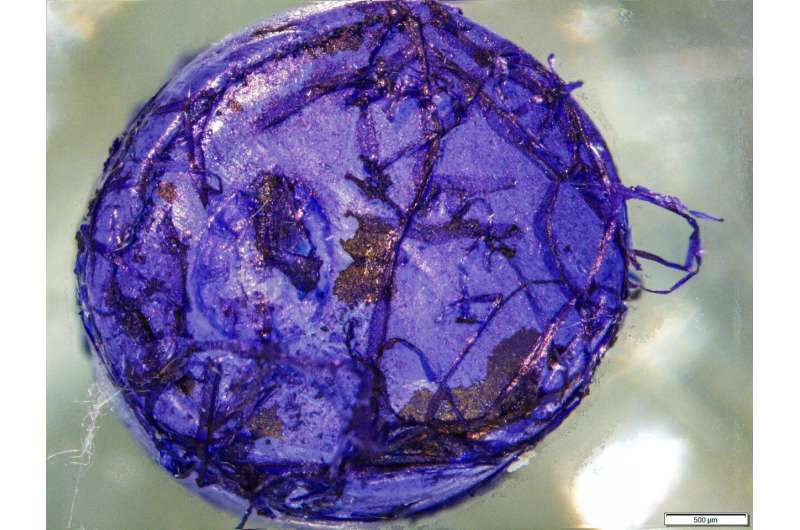
The work was recognized as the best article of 2025 in the journal FEMS Microbiology Ecology.
The researchers used metagenomic sequencing to analyze microbial communities forming on different types of microplastics—polyethylene (PE), polyvinyl chloride (PVC), and polylactide (PLA). The plastic particles were placed in the water of the River York and studied over 7, 14, and 28 days.
The results revealed an unexpectedly high number of genes involved in denitrification—a process that converts nitrates into gaseous nitrogen. This process typically occurs under low-oxygen conditions; however, biofilms on microplastics can create microenvironments where such conditions arise even in well-oxygenated water.
This discovery is significant because excess nitrogen in water causes algal blooms and the formation of “dead zones.” Denitrification helps remove excess nutrients and maintain ecological balance.
Previous studies of microplastics have focused primarily on their toxicity or impact on animals. The new findings show that it may also play a role in biogeochemical processes, affecting the nutrient cycle in aquatic ecosystems.
Scientists emphasize that further research is needed to determine how actively these processes occur in nature and what their actual impact is. Work is already underway to study the role of microplastics in the nitrogen cycle and the degradation of hydrocarbons.
Thus, microplastics are not only a pollutant but also a habitat for microorganisms that can alter the functioning of aquatic ecosystems.
https://phys.org/news/2026-03-microplastic-biofilms-genes-nutrient-estuaries.html#google_vignette
March 15, 2026, 2:55 p.m.