European Commission: In most regions of Europe, humans use up to half of the renewable freshwater resources.
March 2, 2026, 2:49 p.m.
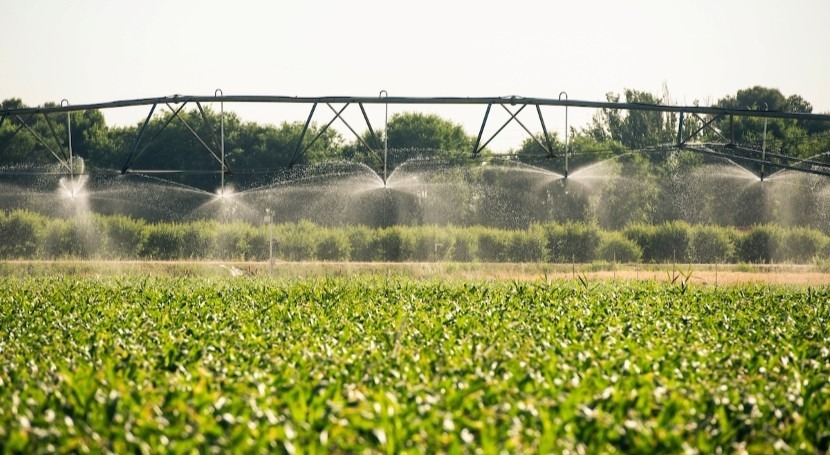
Total annual water demand in Europe is approximately 140–200 billion m³. The largest consumers are the energy sector and agriculture. In many river basins, humans already withdraw 10–50% of available freshwater, and in some southern regions, this figure exceeds half of natural resources.
The situation varies significantly by region. Northern Europe generally has lower levels of water stress, while southern and Mediterranean areas face significant pressure due to intensive irrigation and high water demand. Central Europe lies in an intermediate zone, where the burden is driven by a combination of various sectors.
The main driver of water abstraction is agricultural irrigation, particularly in arid regions. Water consumption in livestock farming often coincides with areas of intensive irrigation, exacerbating shortages. The energy sector also uses large volumes of water, although some of it is returned to water systems after cooling. Industry and municipal water supply are largely located in regions with relatively larger reserves.
Climate change could exacerbate the problem. In southern Europe, water availability is projected to decline further, while in some northern regions, resources may remain stable or even increase. This will intensify regional disparities.
Among possible solutions, experts highlight the reuse of treated municipal wastewater, primarily for irrigation. It is estimated that this could reduce the withdrawal of natural water by 5–20%. At the same time, the reuse of industrial water is more complex due to quality requirements.
Overall, the study confirms that a significant portion of Europe’s renewable water resources is already under serious pressure, and improving water use efficiency and adapting to climate change are becoming critically important.
March 2, 2026, 2:49 p.m.